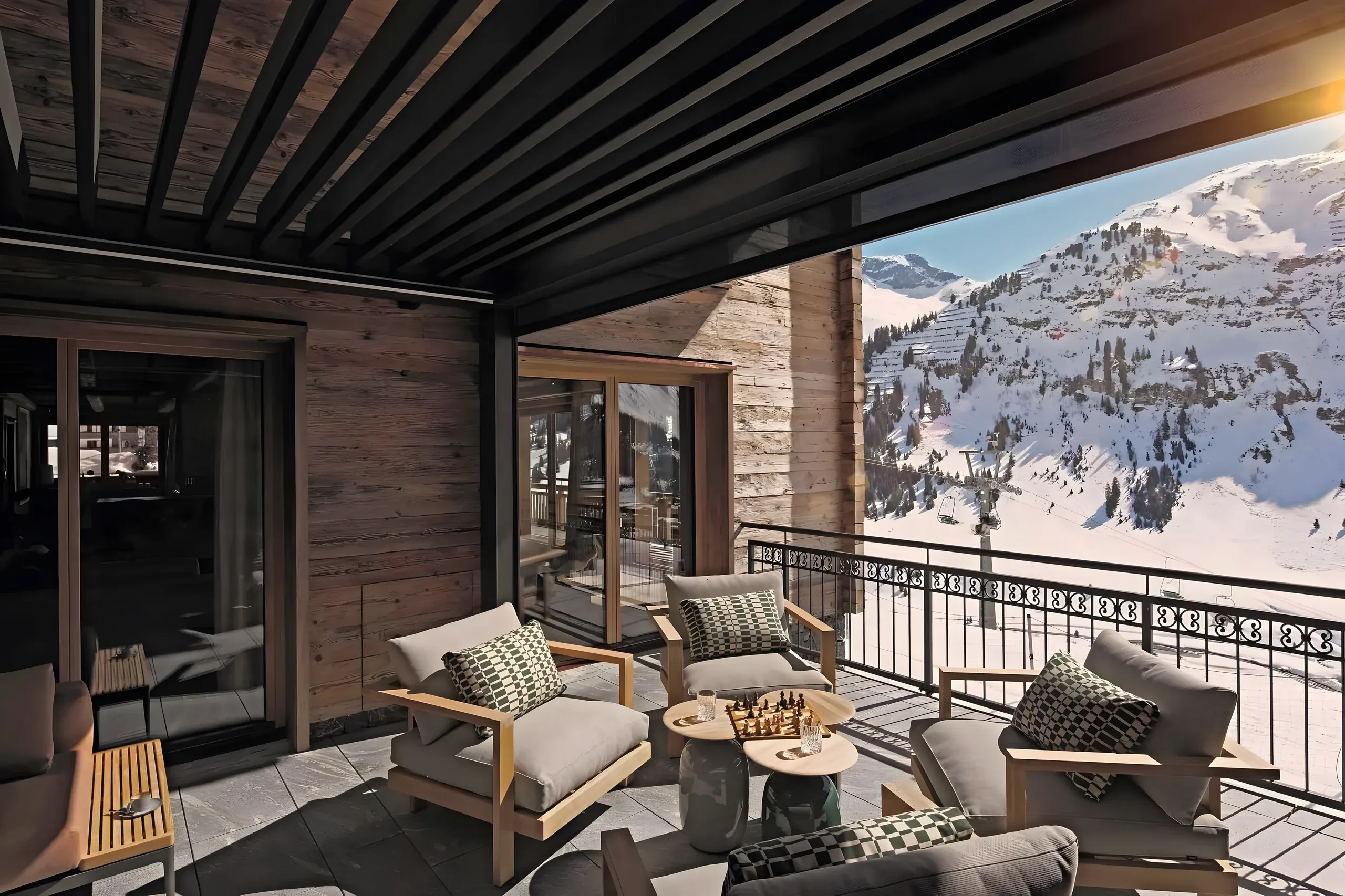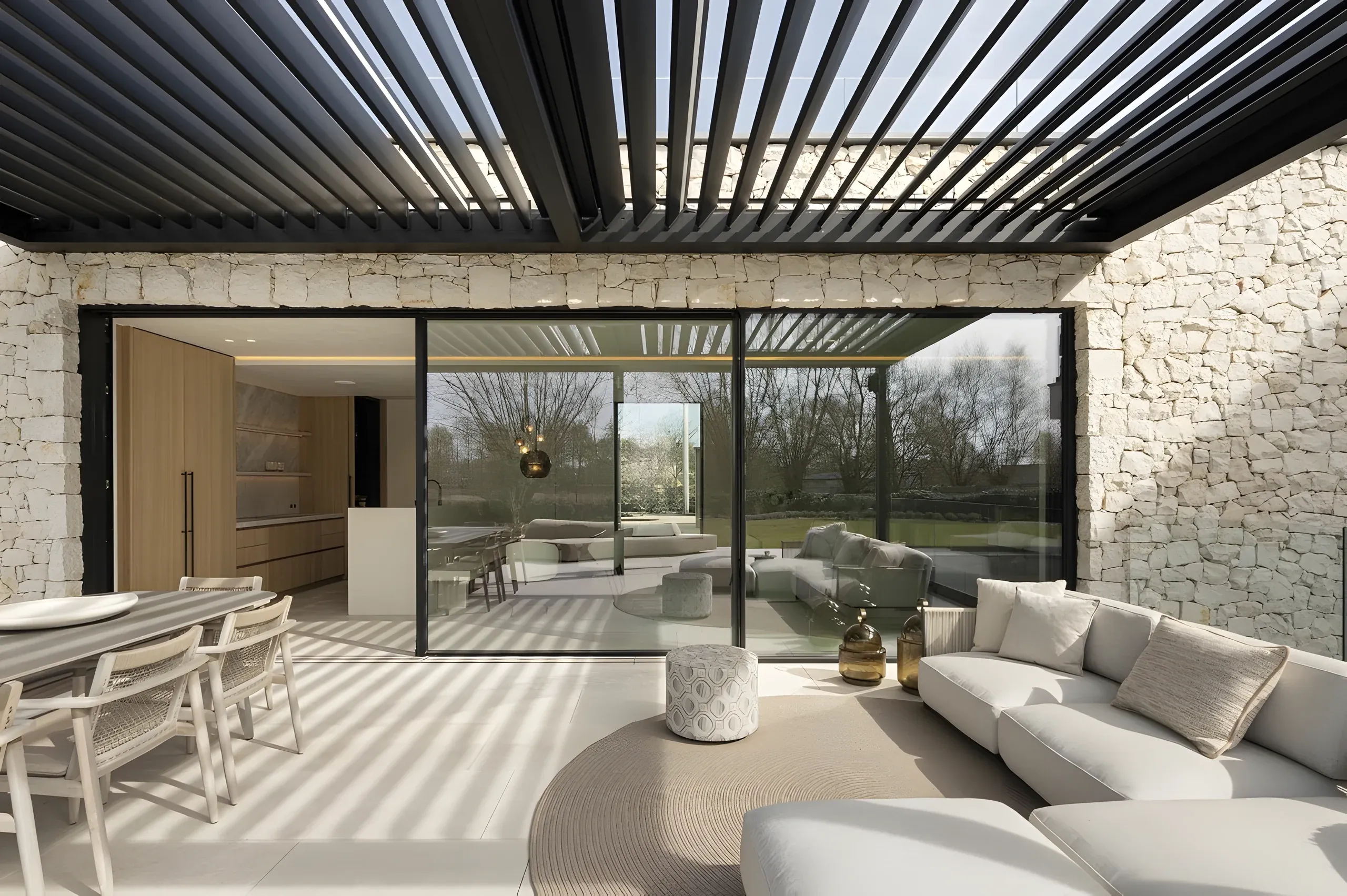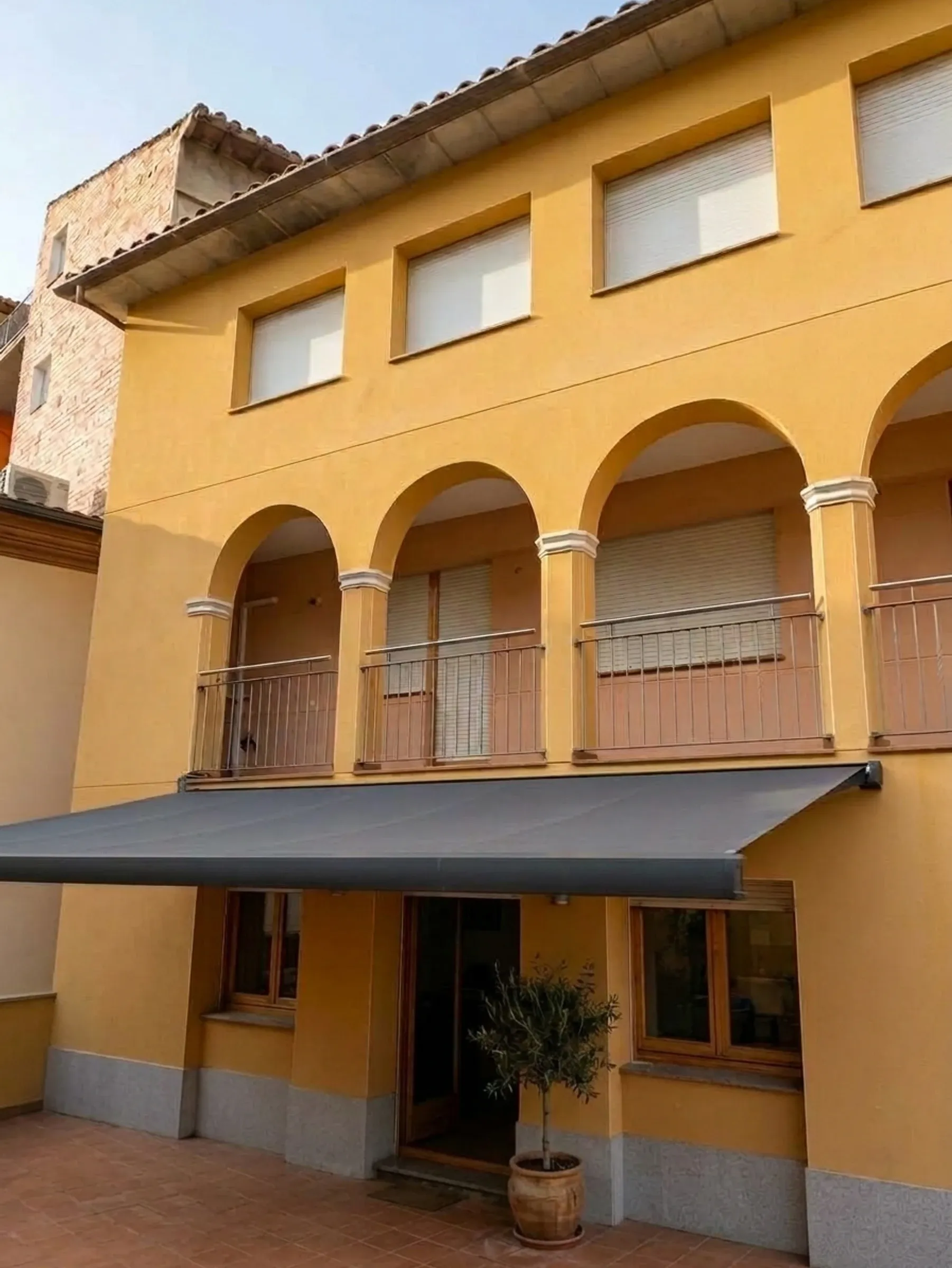
A good pergola or a good awning is chosen wisely on day one: the right dimensions, durable materials and a well-finished installation. But the decision does not end there. The difference between an installation that stays flawless for ten years and one that deteriorates quickly almost always comes down to the small tasks carried out each season. In this guide we go through pergola and awning maintenance step by step, using the climate of the Berguedà, the Cerdanya, Bages and Osona as our reference.
A well-kept pergola lasts for decades
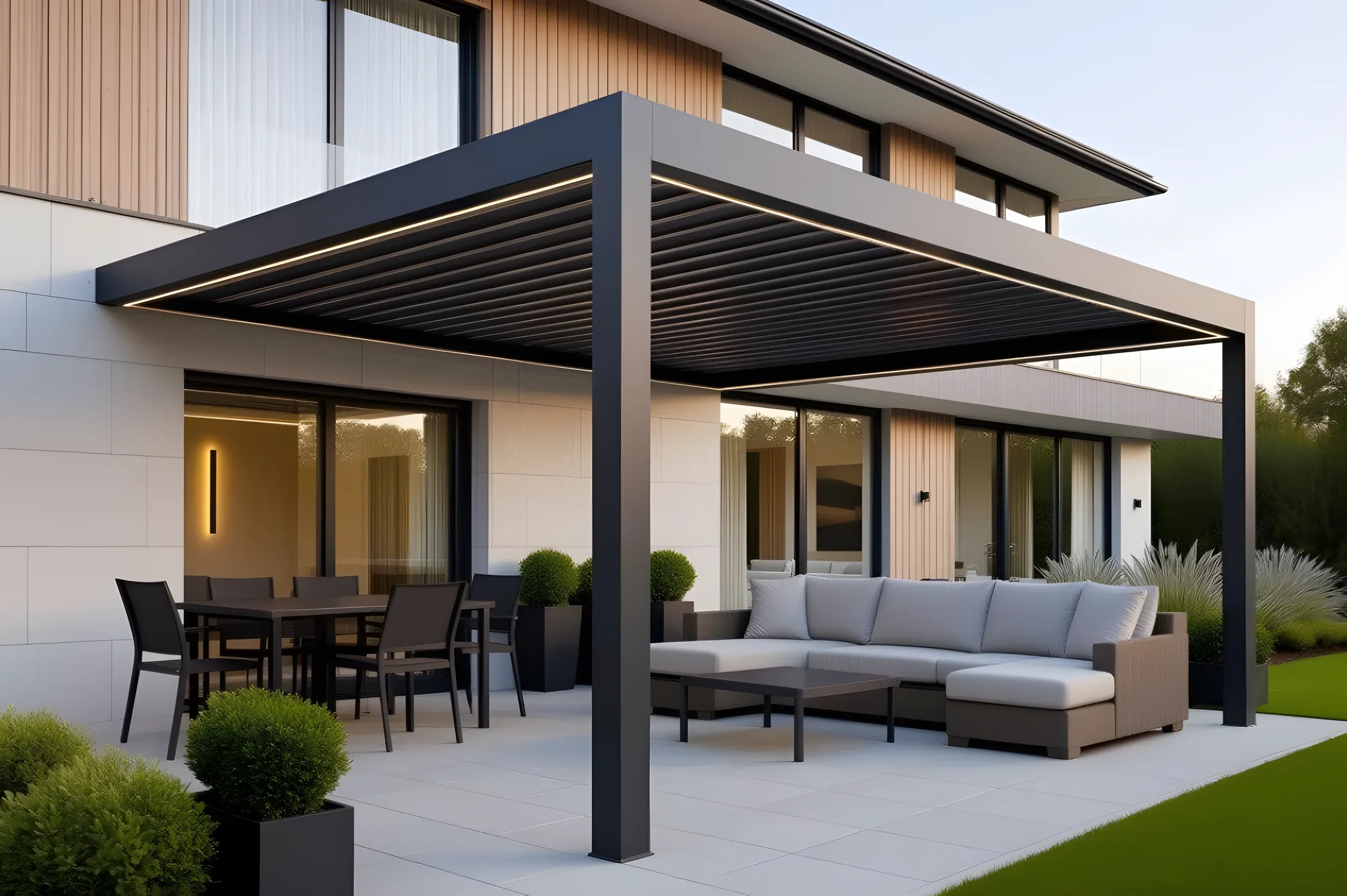
A modern bioclimatic pergola is designed to take very little punishment: a corrosion-resistant aluminium structure, adjustable alloy louvres, protected motors and seals that are renewed in line with the warranty stated in your quote. None of that, however, stops dirt, dry leaves, pine resin or summer dust from building up where it shouldn’t. Maintaining an aluminium pergola is not about building work; it is about looking, cleaning and checking regularly. Turn it into a light routine and the system will keep working as it did on day one for many years. We only work with durable, hard-wearing materials precisely so that simple care is enough. In the sections below you will find what to check, how often and with which products, along with a seasonal calendar adapted to our area and a clear explanation of when to call your installer rather than improvise.
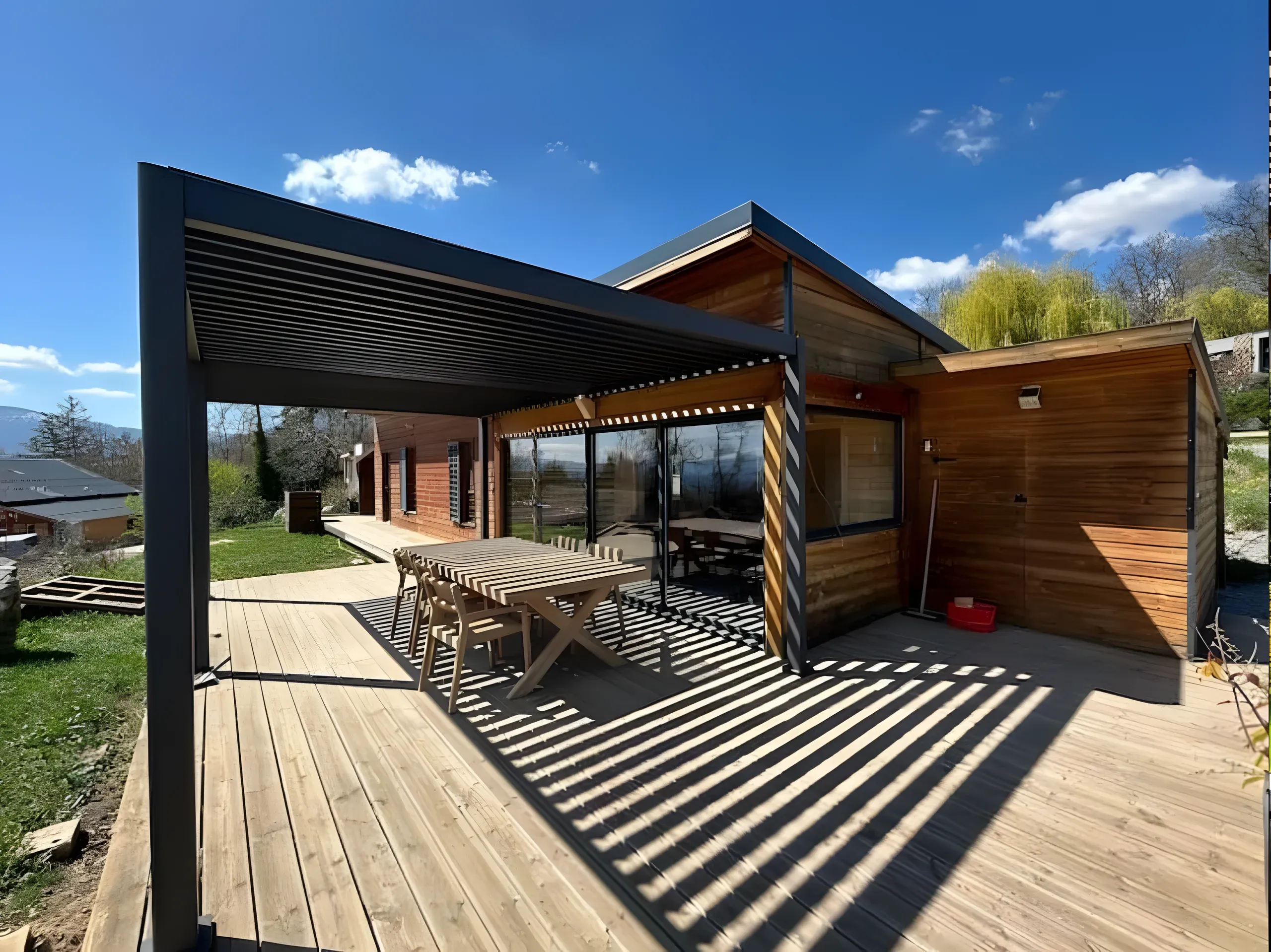
1. Cleaning the aluminium structure
The powder-coated aluminium profiles are built to live outdoors, but dust, pollen and muddy rain residue eventually form a dull film that deadens the colour and, over time, can attack the paint layer. The right way to clean it is also the simplest: a bucket of lukewarm water, a few drops of pH-neutral soap and a soft sponge or microfibre cloth. Rinse with clean water and dry with a lint-free cloth. Pay extra attention to the spots where water collects: the base of the posts, the joins with the façade and the low corners of the frame. Avoid scouring pads, solvents, bleach and abrasive products: they scratch the coating and can create corrosion spots. High-pressure washers are also best avoided, as they can lift sealants or force the seals. Two cleans a year are enough for domestic use; increase this to three if the pergola is exposed to nearby building work, dusty winds or salty air. This is the foundation of bioclimatic pergola cleaning.
2. Louvres: pivots, seals and drainage
The adjustable louvres are the heart of a bioclimatic pergola and also the part that most needs watching. With the louvres open, visually check the pivots and ends: there should be no leaves, twigs, seeds or insect nests jamming the rotation. Clean their surface just like the rest of the aluminium, with pH-neutral soap and a soft sponge, and rinse well. Pay particular attention to the perimeter gutters and drains: they collect the water when the roof is closed and, if they get clogged with leaves, the water can overflow and stain the floor or the façade. A pass with a soft brush and a low-pressure hose is usually enough. If you notice stiff rotation, sharp knocking noises or louvres with too much play, don’t force the motor: make a note and let us know. Lubricating the pivots and replacing the seals should follow the manufacturer’s instructions; our team has the specific technical sheets for every model we install.
3. Awning fabric: cleaning and drying
Caring for awning fabric starts with something very simple: never retract it wet. If you have to close it because of wind after a storm, open it again as soon as the weather allows and leave it extended until it is completely dry. Rolling it up damp is the most common cause of dark stains and mildew. For routine cleaning, the ideal is a dry brush with soft bristles to remove dust, leaves and cobwebs. For more stubborn marks, use lukewarm water, neutral soap and a soft brush, working in long strokes along the weave. Rinse with a low-pressure hose and leave to dry. Once or twice a year, depending on the location, you can apply a water-repellent treatment specifically for acrylic fabric, which restores its water resistance and reduces the risk of mildew. For cassette awnings such as the Storbox 400, Storbox S 300 or Splenbox 400 this routine is especially important, as the fabric is stored inside the cassette and any trapped moisture takes its toll in the long run.
4. Motor, sensors and radio control
When it comes to cassette awning maintenance, the mechanical and electronic parts are the easiest to neglect, and the ones we are most often called out to check. Start with the basics: change the remote control batteries once a year, even if they still work, and check that the radio receiver responds without odd delays. If you have a wind or sun sensor, make sure it is not covered in dust, leaves or cobwebs and that its bracket is still secure after storms. A proper motor check also means listening: any new noise, vibration or jolt at the end of its travel is a sign worth noting. The limit switches drift out of adjustment over time and should be recalibrated before the motor suffers. Don’t open the cassette or tamper with the wiring yourself: correct adjustment requires specific tools and knowledge of the exact model.
5. Suggested maintenance calendar
In our area, with cold winters in the Cerdanya and the upper Berguedà and hot summers in Bages and Osona, it makes sense to organise the tasks by season. It doesn’t take long: half a morning at the start of each season is enough to have everything ready. Here is a guideline calendar you can adapt to your own location:
- Spring: general cleaning of the aluminium and louvres; check the motor, wind sensor and remotes before heavy use.
- Summer: monthly visual check; spot-clean marks on the fabric and rinse off dust if there is building work or dry wind nearby.
- Autumn: clear leaves from gutters and drains; dry-brush the fabric before winter; never retract the awning wet.
- Winter: in snowy areas, open the louvres if heavy snowfall is forecast; check sealants and fixings after strong storms.
6. Aftercare: when to call your installer
Some tasks you can happily do yourself; for others it is worth having a professional come round. If you notice new vibrations in the motor, louvres that don’t close fully, metallic noises at the end of their travel, water dripping where it never used to, or seals that seem to have lost their elasticity, let us know before the problem grows. The same applies if the awning starts jerkily, doesn’t respond to the remote or the wind sensor stops reacting. Our local aftercare service is designed for exactly that: we visit the installation, diagnose the issue with no obligation and put in writing what needs doing and what it will cost. Any replacement falls under the warranty stated in the original quote, according to the conditions of the manufacturer of the affected component.
If you are thinking about a new pergola or awning, get in touch and we'll advise you across the Berguedà, Bages, Osona and the Cerdanya. Find out more about bioclimatic pergolas and solar control awnings.
For guidance on energy efficiency and outdoor comfort, see the recommendations from IDAE, Spain’s Institute for Energy Diversification and Saving.
Frequently asked questions
How often should a bioclimatic pergola be cleaned?
For normal household use, we recommend a general clean twice a year: once in spring, before the busy season, and again in autumn, when leaves and resin start to fall. If the pergola is under pine trees, next to a road or near the sea, it's worth increasing this to three or four light cleans a year. Lukewarm water, pH-neutral soap and a soft sponge are all you need to keep the aluminium spotless.
Can I use a pressure washer to clean the awning fabric?
Best avoided, especially at high pressure. The jet can damage the weave of the fabric, strip the factory water-repellent treatments and leave permanent marks. If you need a deeper clean, use a hose at normal pressure, a soft-bristled brush and pH-neutral soap. Rinse well and let the awning dry fully extended before retracting it; that way you'll avoid damp stains and possible mould.
What should I do if the awning motor gets stuck?
First of all, don't force the controls or pull on the fabric. Check whether the remote responds and change the batteries if they're old. Also check the fuse box in case the circuit breaker has tripped. If the awning still won't move after these checks, give us a call. Many issues are solved in a single visit by adjusting the limit switches or replacing a specific motor component.
Can snow damage a bioclimatic pergola?
Not if the structure is specified for the snow load at its location, which under Spain's building code rises with altitude and climate zone; that's why our proposal states in writing the snow load the manufacturer certifies for your configuration. When snow comes, leave the louvres in the position your model's manufacturer specifies and don't run the motor while they are frozen or loaded with snow. If more builds up than usual, carefully clear the excess from below with a plastic tool. Never climb up and walk on the louvres: they aren't designed for that.
Do you offer regular servicing?
Yes. As part of our friendly after-sales service, we can schedule an annual or twice-yearly check of your pergola or awning. We inspect the motor, sensors, seals, fixings, drainage and the condition of the fabric, and we put any recommended work in writing. We cover the whole Berguedà, Bages, Osona and Cerdanya area. Book by phone or through the contact form and we'll arrange a no-obligation visit.